
Startup Testing a Robotic Spray System in North Carolina
In mid-2025, we were on site in North Carolina to begin dry run testing on a robotic coating system built for painting motor rotors. No parts were sprayed on this trip—this was all about powering up the system, verifying integration, and shaking out the bugs. And sure enough, we found a few.
The system includes:
-
A 3″ pitch heavy-duty Chain-On-Edge conveyor with precision indexing
-
Dual gas-fired ovens (pre-cure and dry) with high-velocity convection airflow
-
A FANUC PaintMate 200iA robot in explosion-proof configuration
-
A Sames Kremlin Cyclomix 2K fluid system for precision coating delivery
-
An Allen-Bradley CompactLogix PLC and PanelView 5310 HMI for system control
-
Integration with a customer-supplied air make-up unit (AMU) for booth airflow management
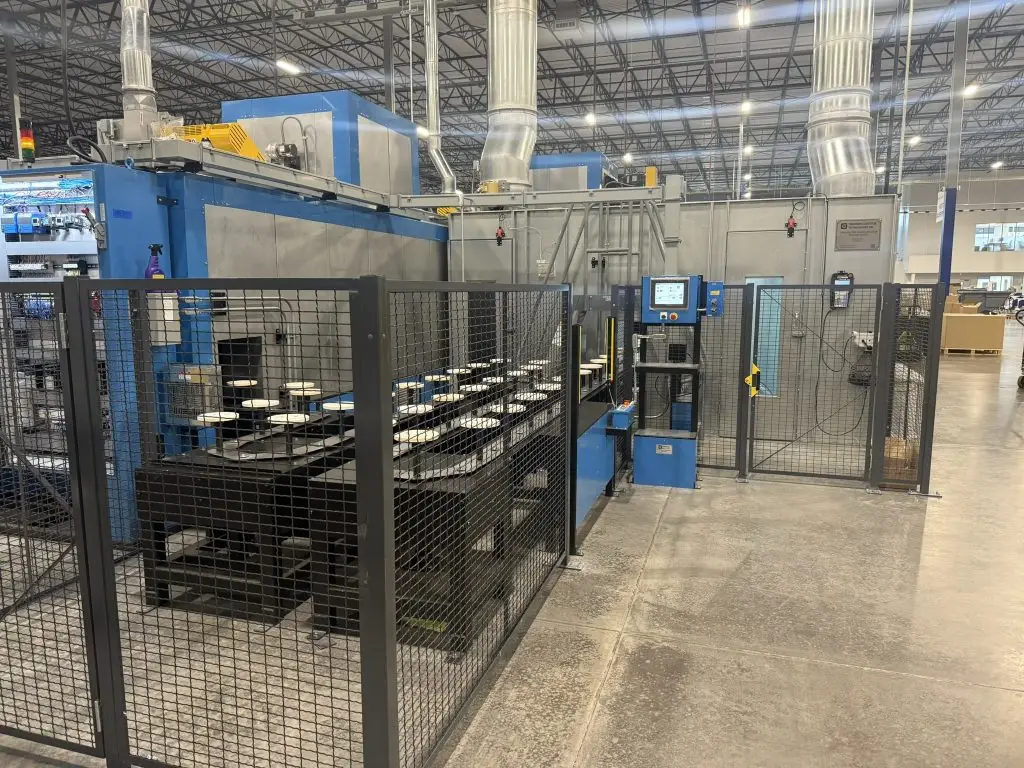
Most of the system came online without issue. Conveyor motion, oven sequencing, and AMU control all tested successfully. But a couple of issues kept us from declaring victory just yet:
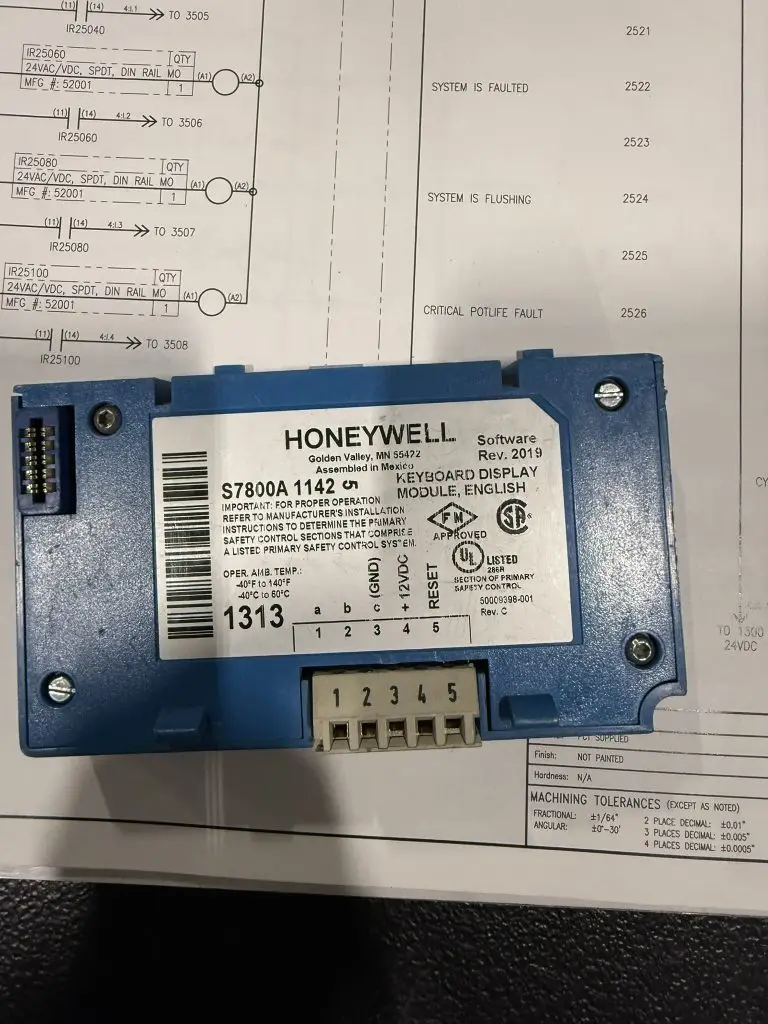
1. Faulty Honeywell Flame Safety Relay
One of the relays used for oven flame monitoring was defective out of the box. We spent hours chasing what looked like an intermittent flame signal, only to isolate the problem to a bad relay. It’s now out for repair or replacement, and we’ll have a spare ready before our return.
2. Robot Solenoid Wouldn’t Fire
The FANUC robot powered up fine—no faults, full motion control—but the internal solenoid that actuates the spray guns never triggered. No errors, just silence. This was the last test of the day, and I spent my final hour on-site on the phone with FANUC tech support trying to diagnose the issue before catching my flight. They suspect a faulty output board and have committed to sending a tech for on-site replacement before spray testing.
Dry run complete. Bugs uncovered. That’s what this phase is for. The core system is solid, and now the weak links are identified and in motion to be resolved.
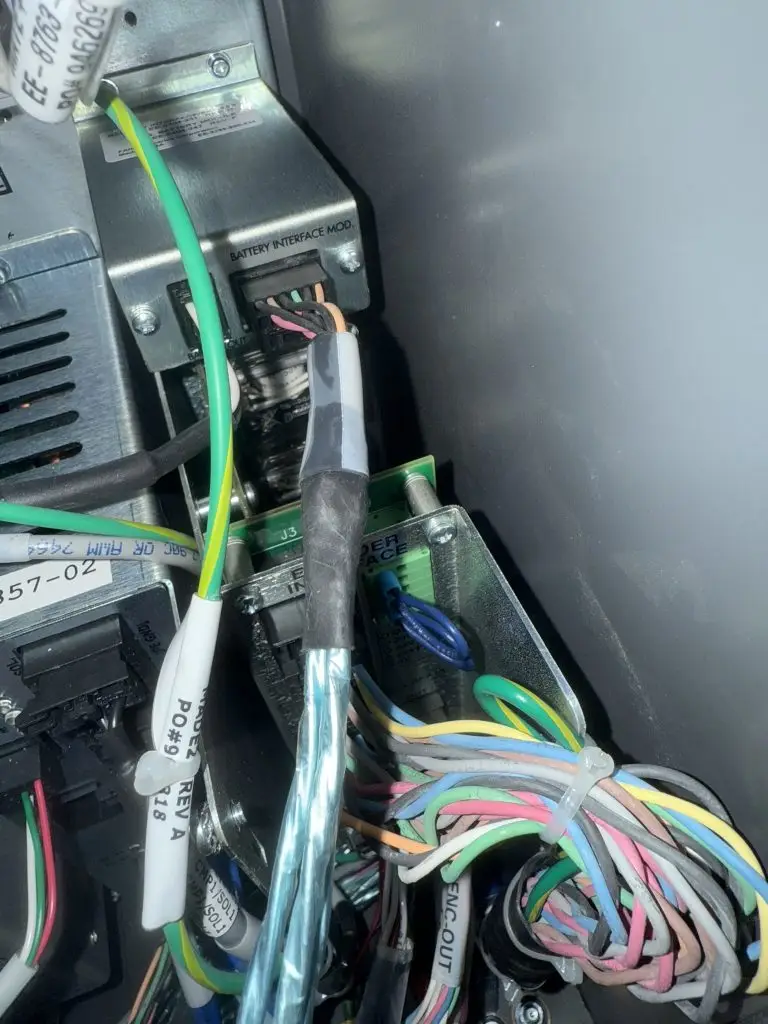
Last test of the trip—on the phone with FANUC while chasing a silent solenoid. No faults, no trigger, no fun.
PS: I started writing this post while sitting at the airport around 12:30 a.m., waiting on what was already the second delayed flight of the night. That flight, like the one before it, was eventually cancelled. At 3:15 a.m. I booked a hotel, paid $75 for an Uber—and when I got there, they were overbooked. No room. No other availability in the area either, thanks to half of Atlanta’s outbound flights being scrapped due to storms.
So here I am. In the lobby. No room. No flight. But hey—the conveyor indexed, the ovens lit (eventually), and the robot just needs a new board. We’ll be back in two weeks. And next time, it sprays.