(That’s Probably Why I Took Apart Shotgun Shells)
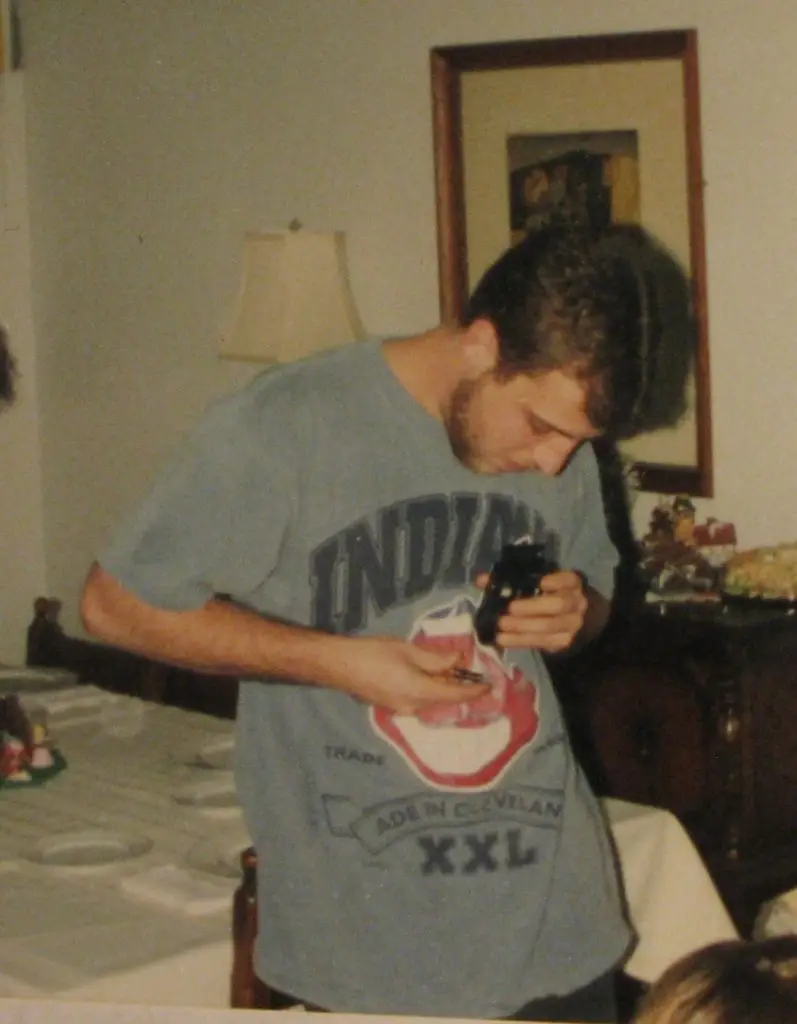
I’ve always had this stubborn curiosity about how things work—not some noble quest for knowledge, just genuine, obsessive interest. As a kid, I took apart anything I could get my hands on: remote controls, lawnmowers, old radios, even shotgun shells (don’t recommend it). I used to play with hunks of lead like they were action figures. My mom—bless her—would take me to Radio Shack and let me buy resistors and capacitors I didn’t even know how to use.
But it wasn’t just about breaking things down. I wanted to figure out how they worked so I could put them back together—maybe even make them better. That mindset never really left. These days, I spend less time taking things apart and more time building them from scratch: automation systems, custom conveyors, entire ERP platforms. The tools got more complicated, but the drive to figure it out stayed exactly the same.
The Long Way Around (With a Lot of Help)
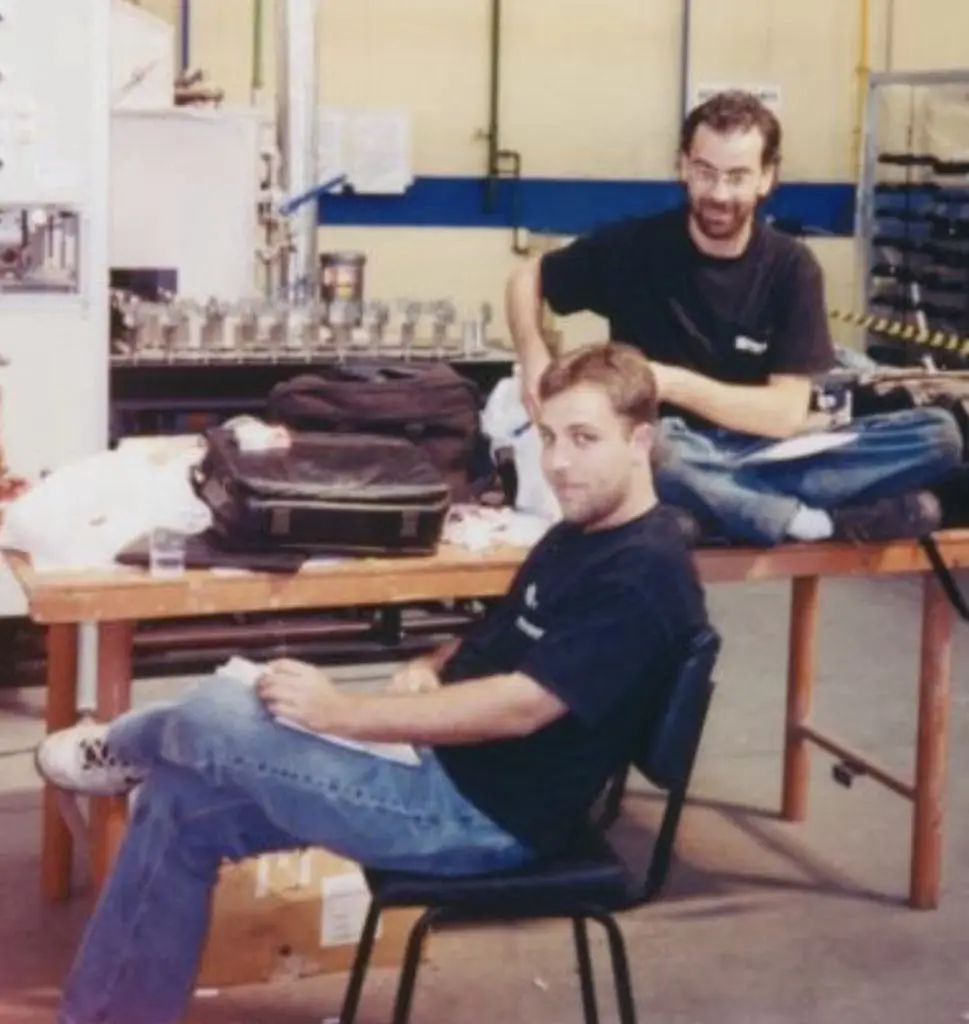
It’s funny—I’ve always been curious, but I hated school. Still don’t know why I liked geometry (the only class I actually did well in), but for whatever reason, none of it clicked the way taking apart a lawnmower did. Even my first drafting class in 9th grade? Total disaster. I failed miserably.
But a couple years later, something shifted. I got into it. Maybe it was the structure. Maybe I was finally ready to focus. Or maybe I just got tired of screwing up. Whatever it was, that’s when the gears started turning.
Looking back, I didn’t figure it all out alone. My mom taught me what hard work really looks like. She supported every wild idea, no matter how weird or dangerous it sounded. My dad taught me about tools and fixing things—he was the one who showed me how mechanical stuff actually worked. My Uncle Tom introduced me to computers when I was still just a curious kid. And eventually, Bob Eder showed me what it meant to build things that really work—and how to run a business with high standards. I also had teachers along the way who I actually listened to. I just didn’t take the same route as everyone else.
From there, I fell headfirst into CAD. Got hired doing AutoCAD full-time while most shops were still using paper and pencils. I didn’t have a degree, but I had momentum. I kept teaching myself, kept asking questions, and kept showing up. One problem at a time, I went from junior drafter to VP of Engineering and part-owner of a company that now builds custom automation systems for aerospace, military, and industrial customers across the country.
If the Tool Doesn’t Exist, Build It
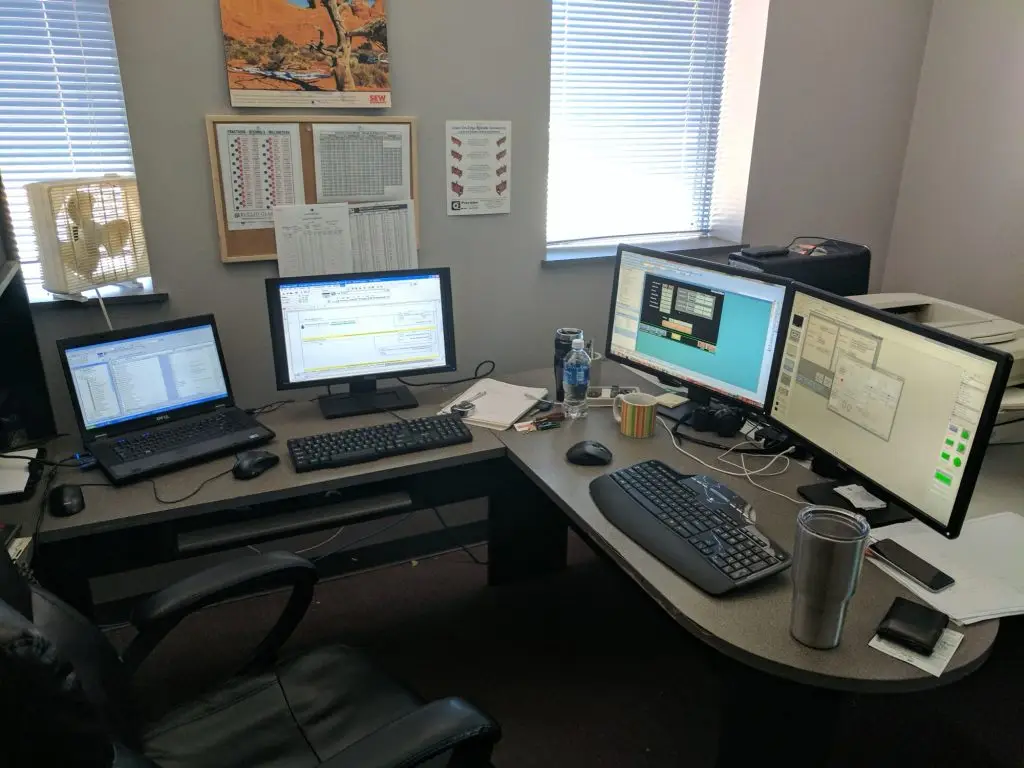
That same mindset is why I built my own ERP system in Microsoft Access. Not because I love Access (though I kinda do), but because nothing off-the-shelf did what I needed. Quoting, job tracking, BOM crunching, inventory, drawings, purchasing—it all lives in a system I built one table and one ugly query at a time.
Was it stubborn? Absolutely. Did it work? Better than most six-figure systems I’ve seen.
I didn’t wait for a consultant. I didn’t hold meetings. I opened a blank database and started building what I needed—because I had to.
Curiosity ≠ Clicking the First Link on Google
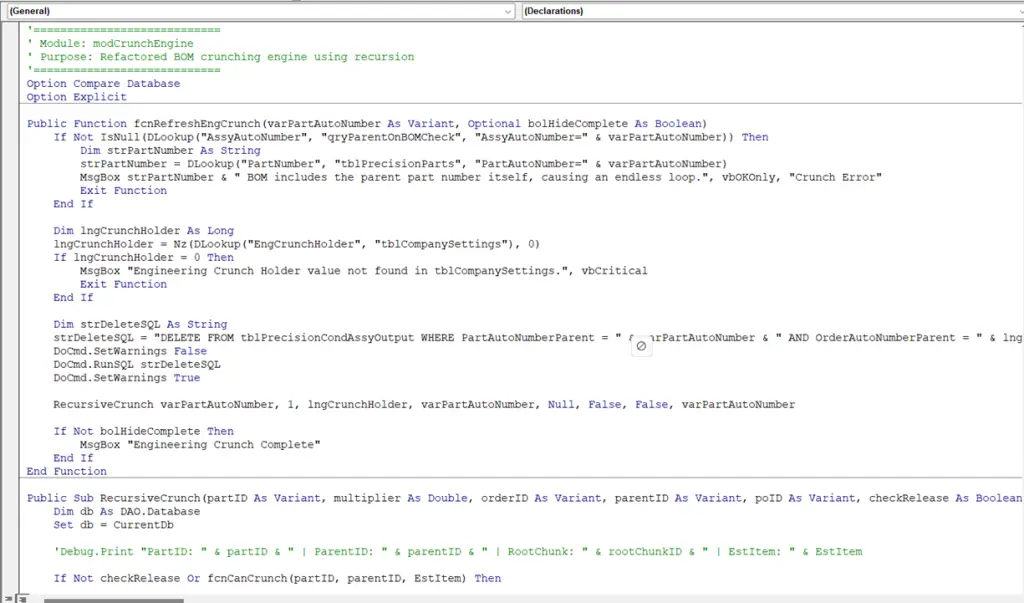
Here’s what people get wrong: curiosity isn’t passive. It’s not scrolling through StackOverflow or watching a 3-minute YouTube video and calling it research. Real curiosity—at least for me—means you’ve got no other option but to make it work. Commit. Try. Fail. Learn. Repeat.
And sometimes, it’s not even about necessity—it’s just about the thrill of solving it. Just the other day, I made a major design change to a mission-critical part of our database—the day before leaving town—because I was excited about an idea to improve performance in one of the heaviest parts of the system. No one told me to do it. In fact, most sane people wouldn’t have touched it until they got back. But when something clicks in my head, I want to build it now. Even if it means blowing a few things up in the process.
That’s what I try to pass on—to my team, my kids, even the interns. You don’t need to have all the answers. But you do need the guts to dive in, screw it up, and figure it out under pressure—especially when the idea is too good to ignore.
What I Still Believe
I care about solving the problem. I have a mindset that doesn’t let go until I’ve figured it out. Whether it’s a broken machine, a bad query, or a process that just isn’t working, I keep digging until it makes sense and does what it’s supposed to do.
If I could give one piece of advice to anyone just getting started—engineer, mechanic, coder, whatever—it’s this: